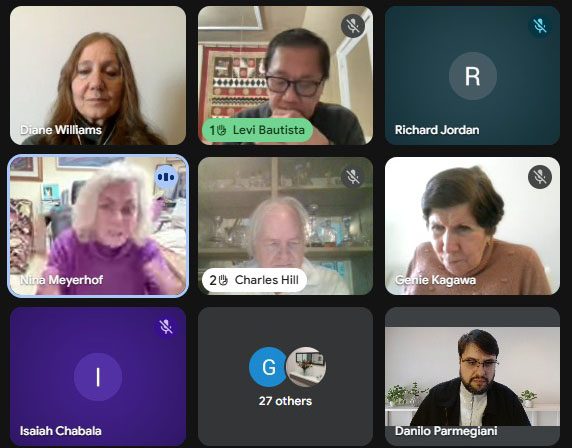
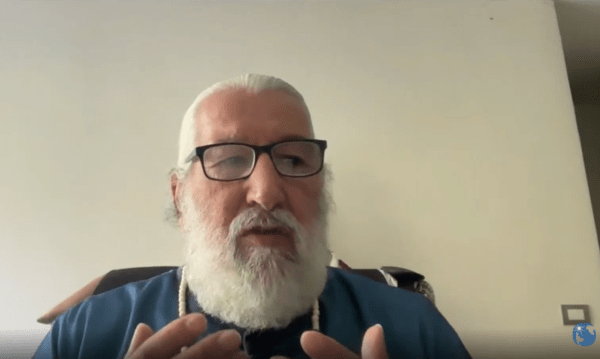
The first General Meeting of the CSVGC-NY in 2026 took place on January 22 with Guest Speaker, Dr. Alfredo Sfeirs-Younis where he delivered a critical analysis of the current state of multilateralism and the United Nations system, proposing concrete pathways for its revitalization grounded in universal spiritual and ethical values.
KEY CHALLENGES IDENTIFIED
Obsolescence of the UN Charter (1945)
The United Nations Charter was designed for the post–Second World War context and no longer adequately responds to today’s complex global crises—geopolitical, social, environmental, and moral.
Crisis of Global Governance
There is a weakening of multilateralism, marked by institutional dismantling, loss of legitimacy of the UN, and the absence of a clear vision for the future of global governance.
Ethical and Spiritual Vacuum in Global Decision-Making
International decisions are increasingly driven by technical, economic, or geopolitical considerations, lacking moral wisdom, social ethics, and spirituality—resulting in injustice, inequality, and conflict.
A “Silent War” Against Human Values
The world is experiencing a form of a “silent third world war,” characterized by the erosion of human values, solidarity, dignity, and care for life and nature.
Disconnection Between the UN and the Peoples
The United Nations has become increasingly distant from people and communities and is perceived in many countries as irrelevant or ineffective, particularly by the most vulnerable populations.
KEY SOLUTIONS AND PROPOSALS
Updating the UN Charter (UN 2.0 / 3.0)
A profound revision of the Charter to explicitly incorporate:
- Spirituality, values, and global ethics
- Rights of nature and future generations
- Shared responsibility for global public goods
A New Foundation for Global Governance will include advocacy for a planetary governance model that integrates:
- Material responsibility (economy, environment, social justice)
- Spiritual leadership (wisdom, ethics, compassion, and long-term vision)
Inclusion of “World Citizens”
- Strengthening civil society participation and recognizing global citizens as legitimate actors in international governance.
Reconfiguration of the UN Trusteeship Council
- Transforming the Trusteeship Council into a UN Council of Citizens, representing people, nations, nature, and future generations.
A New Profile for the UN Secretary-General
- The next Secretary-General should serve as the “moral compass of the planet,” combining political leadership with ethical and spiritual authority.
Immediate Action and Moral Courage
- Institutional silence is not an option. Civil society organizations must take an active role by offering vision, proposals, and ethical leadership to prevent the collapse of the multilateral system.